Strategic Wealth Management for Expat Business Owners in the UK

Navigating the complexities of wealth management as an expatriate business owner in the United Kingdom presents a unique set of challenges and opportunities. The intricate interplay of international tax laws, diverse investment landscapes, and personal financial goals necessitates a meticulously planned and professionally executed strategy. This article delves into the critical aspects of expat wealth management for those running businesses in the UK, offering insights into optimizing financial outcomes.
The Unique Financial Landscape for Expat Business Owners
Expatriate business owners often face a more convoluted financial situation compared to their resident counterparts. Key factors contributing to this complexity include:






- Cross-Border Taxation: Understanding tax liabilities in both the UK and their country of origin, along with the implications of double taxation treaties, is paramount.
- Currency Fluctuations: Managing assets and income across different currencies requires astute planning to mitigate risks and capitalize on favorable exchange rates.
- Diverse Regulatory Environments: Adhering to financial regulations and legal frameworks in multiple jurisdictions can be challenging.
- Repatriation of Funds: Planning for the efficient and tax-effective transfer of profits or assets back to a home country or to other international accounts.
Effectively addressing these challenges requires a holistic approach that integrates personal and business financial planning.
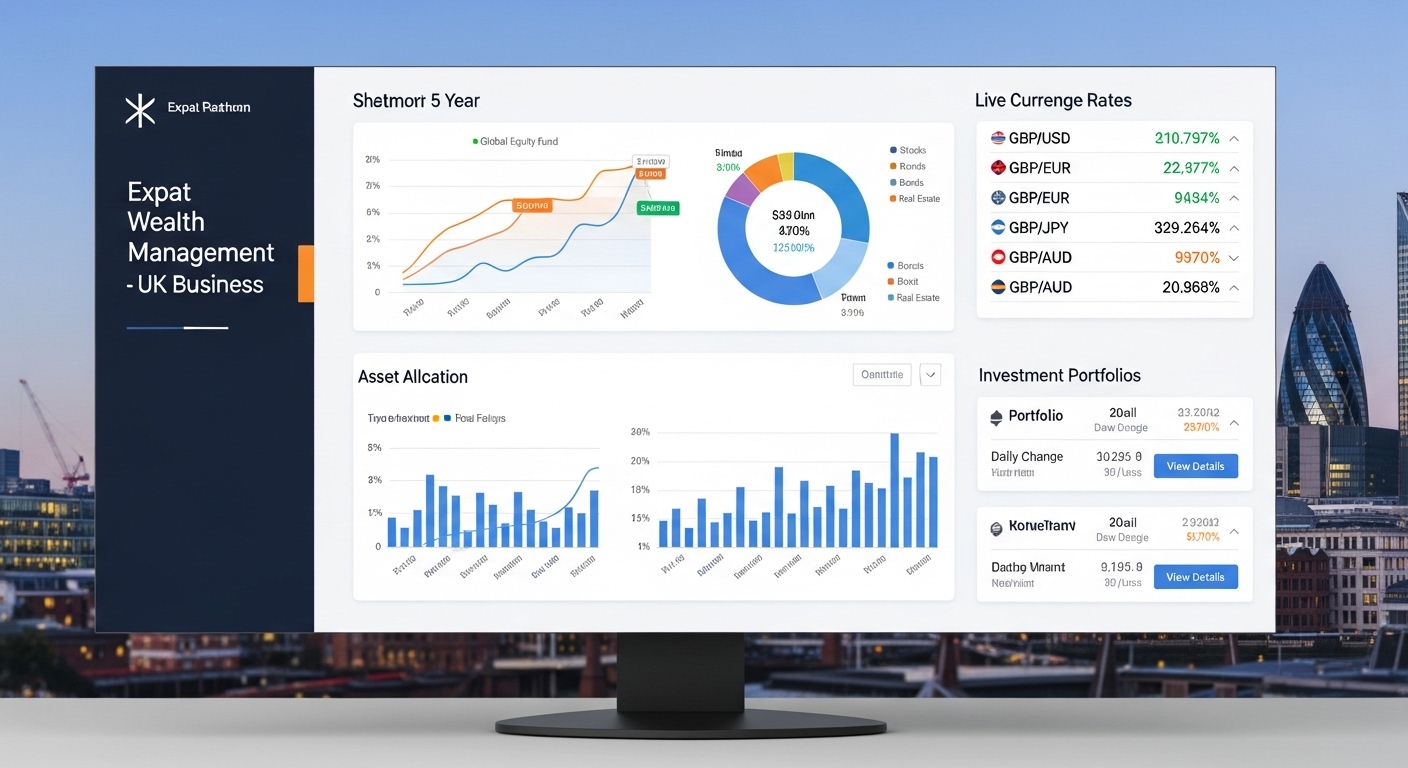
Core Pillars of Expat Wealth Management for UK Businesses
Strategic wealth management for expat business owners in the UK typically revolves around several key areas:
1. Tax Efficiency and Compliance
One of the most significant aspects is navigating the UK’s tax regime alongside international tax obligations. This includes understanding:
- UK Residency and Domicile: Determining an individual’s tax status, especially for non-domiciled residents, which can significantly impact tax liabilities.
- Corporation Tax and Income Tax: Optimizing business structures and salary/dividend strategies for tax efficiency.
- Capital Gains Tax (CGT) and Inheritance Tax (IHT): Planning for the disposition of business assets and personal wealth, considering cross-border implications.
- Double Taxation Agreements: Utilizing these agreements to prevent being taxed twice on the same income or assets.
2. Investment Strategies
Crafting an investment portfolio that aligns with an expat’s risk tolerance, financial goals, and international circumstances is crucial. Considerations include:
- Diversification: Spreading investments across various asset classes and geographical regions to mitigate risk.
- Offshore vs. Onshore Investments: Evaluating the tax implications and benefits of different investment wrappers and locations.
- Business Reinvestment: Strategic reinvestment of business profits for growth or future liquidity.
3. Pension and Retirement Planning
Planning for retirement as an expat business owner involves unique considerations:
- Qualified Recognised Overseas Pension Schemes (QROPS): Exploring the transfer of UK pensions to an overseas scheme.
- Self-Invested Personal Pensions (SIPPs): Utilizing UK-based pension schemes for flexibility and control.
- International Pension Rules: Understanding how pensions are treated in different countries for tax and access purposes.
4. Estate Planning
Ensuring that one’s wealth is distributed according to wishes, while minimizing tax liabilities, is vital for expats. This involves:
- International Wills and Trusts: Establishing legally sound documents that account for assets in multiple jurisdictions.
- Inheritance Tax Planning: Strategies to reduce potential IHT exposure in the UK and other countries.
- Succession Planning: Developing a clear plan for the future of the business in the event of unforeseen circumstances.
5. Currency Management
Effective management of foreign exchange risk is essential for businesses with international dealings and expat owners with cross-border financial needs. This can involve hedging strategies, efficient foreign exchange transfers, and multi-currency accounts.
The Importance of Expert Guidance
Given the complexities involved, engaging with a specialized wealth management firm or financial advisor with expertise in both UK business finance and international expat taxation is highly advisable. Such professionals can offer tailored advice, ensure compliance, and help optimize financial outcomes.

Conclusion
For expat business owners in the UK, proactive and strategic wealth management is not merely an option but a necessity. By focusing on tax efficiency, robust investment strategies, comprehensive retirement and estate planning, and effective currency management, supported by expert guidance, individuals can secure their financial future and ensure the sustainable growth of their UK business ventures. This integrated approach allows for both peace of mind and optimized wealth accumulation in a dynamic global financial environment.