Navigating UK Company Formation for Expats: A Comprehensive Guide

For expatriates seeking to establish a robust business presence, forming a company in the United Kingdom offers a multitude of strategic advantages. The UK’s stable economy, reputable legal framework, and global connectivity make it an attractive jurisdiction for international entrepreneurs and investors. This guide provides a detailed overview of the process, requirements, and considerations for expats embarking on UK company formation.### Why Form a UK Company as an Expat?Establishing a UK company can provide significant benefits for expatriates, including enhanced credibility, access to a wide customer base, and a competitive tax environment. A UK registered company often instills greater trust among clients and partners worldwide due to the country’s strong reputation for business integrity and regulatory compliance. Furthermore, the UK’s extensive network of double taxation treaties can help mitigate the burden of dual taxation for expat owners.### Types of UK CompaniesThe most common structure chosen by expats is a Private Company Limited by Shares (Ltd). This entity offers limited liability protection to its shareholders, meaning their personal assets are generally protected from business debts. Other less common options include: Company Limited by Guarantee: Typically used for non-profit organizations. Limited Liability Partnership (LLP): Combines features of a partnership with limited liability, often preferred by professional services firms.For most commercial ventures, the Private Company Limited by Shares is the standard and most advantageous choice.### Key Requirements for Expat Company FormationThe UK’s company formation process is relatively straightforward, even for non-residents. Key requirements include: Registered Office Address: Every UK company must have a registered office address in the UK. This is the official address where Companies House and HMRC will send formal communications. While it does not need to be a physical office where business operations occur, it must be a valid UK address. Directors: A UK company requires at least one director, who can be of any nationality and does not need to be a UK resident. There is no maximum age for directors. Shareholders: At least one shareholder is required, who can also be the sole director. Shareholders can be individuals or corporate entities and do not need to be UK residents. Persons with Significant Control (PSC): Individuals or entities who own more than 25% of the company’s shares or voting rights, or otherwise have significant influence or control over the company, must be identified and registered.

### The Company Formation ProcessThe process for forming a UK company typically involves several steps: 1. Choose a Company Name: The name must be unique and not identical or too similar to an existing registered company name. Companies House offers a name availability checker. 2. Prepare Constitutive Documents: This primarily involves drafting the Memorandum and Articles of Association. The Memorandum states the initial subscribers’ intention to form the company, while the Articles set out the rules for how the company will be run. Standard articles are available and often sufficient. 3. Appoint Directors and Shareholders: Details of all directors and shareholders, including their addresses and dates of birth, must be provided. 4. Register with Companies House: The application, including the proposed company name, registered office address, director and shareholder details, and the PSC information, is submitted to Companies House. This can be done online, and approval can often be obtained within 24 hours. 5. Register for Corporation Tax: Once incorporated, the company must register with HMRC for Corporation Tax within three months of starting to trade. 6. Open a Business Bank Account: This is a crucial step, though some banks may have more stringent requirements for non-resident directors. Researching expat-friendly banks or financial institutions specializing in international business is advisable.### Compliance and Ongoing ObligationsAfter successful formation, a UK company has ongoing compliance obligations: Annual Accounts: Companies must file statutory annual accounts with Companies House and HMRC, typically within nine months of their financial year-end. Confirmation Statement: An annual declaration to Companies House confirming the company’s registered details, directors, shareholders, and PSCs. Corporation Tax Returns: Filed with HMRC annually, detailing the company’s profits and calculating its tax liability. Record Keeping: Maintaining accurate accounting records and statutory registers (e.g., register of directors, shareholders, PSCs).


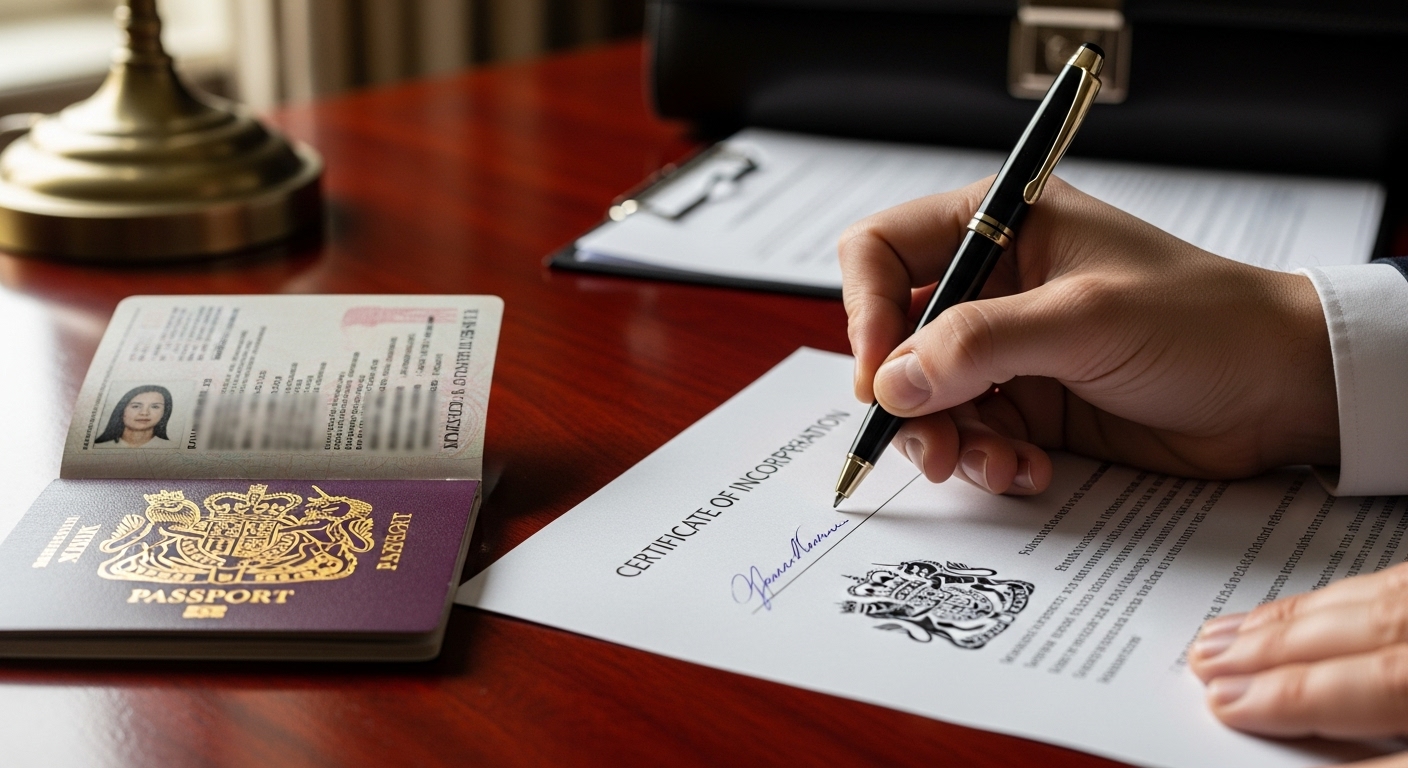
### Challenges and ConsiderationsWhile straightforward, expats should be aware of potential challenges. Tax implications can be complex, especially concerning residency and domicile. Consulting with a tax advisor specializing in international taxation is highly recommended to understand obligations in both the UK and their country of residence. Banking can also pose difficulties, as some UK banks may require directors to have a UK residential address or visit a branch in person for account opening. Alternative banking solutions or specialist financial service providers may be necessary. For legal advice, engaging a solicitor familiar with company law and international business can ensure full compliance and strategic structuring.### ConclusionForming a company in the UK as an expat presents a compelling opportunity for global business expansion and robust financial structuring. While the process is designed to be efficient, understanding the legal, financial, and administrative requirements is paramount. By carefully navigating the incorporation steps, fulfilling ongoing compliance, and seeking expert advice where necessary, expatriates can successfully leverage the UK’s dynamic business environment to achieve their entrepreneurial ambitions.